🚀 You no longer need to know how to code to create applications or automate your work.
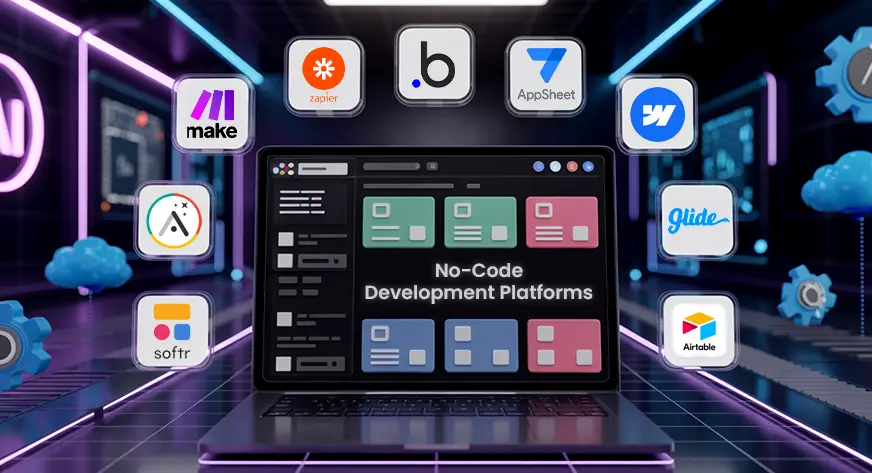
No-code platforms are transforming who can build software. Analytics Vidhya compiled the top 10, each for a specific use case:
| # | Platform | Best for |
|---|---|---|
| 1 | Bubble.io | Full web apps without code |
| 2 | Zapier | Automating workflows across tools |
| 3 | Make | Flexible, AI-first automation |
| 4 | Webflow | Websites and startups |
| 5 | Glide | Visually designing apps |
| 6 | Airtable | Managing data as your backend |
| 7 | Adalo | Scalable mobile apps |
| 8 | Latenode | Connecting APIs and advanced automation |
| 9 | Softr | AI-powered tool building |
| 10 | Google AppSheet | Structured, scalable business apps |
Why does this matter?
The barrier to building software is no longer technical. It’s knowing what you want to build. With these tools you can:
- Create an internal management system in hours
- Automate repetitive workflows
- Launch an MVP without hiring a developer
💡 Explanation in a nutshell#
“No-code” doesn’t mean there’s no code — it means the code is abstracted into visual blocks. These platforms have a lower learning curve than traditional frameworks, but have limits in customization and scalability. The decision between no-code and traditional code depends on complexity, volume, and whether you need full control over the system.
More information at the link 👇
Also published on LinkedIn.