🤖 Can You Spot AI Writing? Probably Less Than You Think#
Googling “how to spot AI writing” gives you the same recycled advice: watch for em dashes, the word “delve,” triadic lists. But modern models have read those articles too. The tells have migrated to deeper layers — structural, logical, and phenomenological.
Alberto Romero, in The Algorithmic Bridge, identifies 10 signs organized by depth:
📝 At the level of words
- Abstraction trap: AI writes in vague, conceptual terms because it has experienced nothing concrete.
- Harmless filter: fine-tuning strips out edgy, weird, or uncomfortable vocabulary.
- Latinate bias: prefers “utilize” over “use,” permanently stuck in “business casual” mode.
📖 At the level of sentences
- Sensing without sensing: describes sensations without ever having felt them.
- Personified callbacks: inanimate objects “remember” things in awkward, clichéd ways.
- Equivocation seesaw: every claim is immediately balanced with a “however” or “on the other hand.”
📚 At the level of texts
- Treadmill effect: lots of writing, no forward movement.
- Length over substance: 2,500 words to say what 500 could.
- Subtext vacuum: explains every joke; doesn’t trust the reader to understand.
🎯 Bonus: the most honest signal of all — no detection method is 100% reliable.
💡 In Plain Terms#
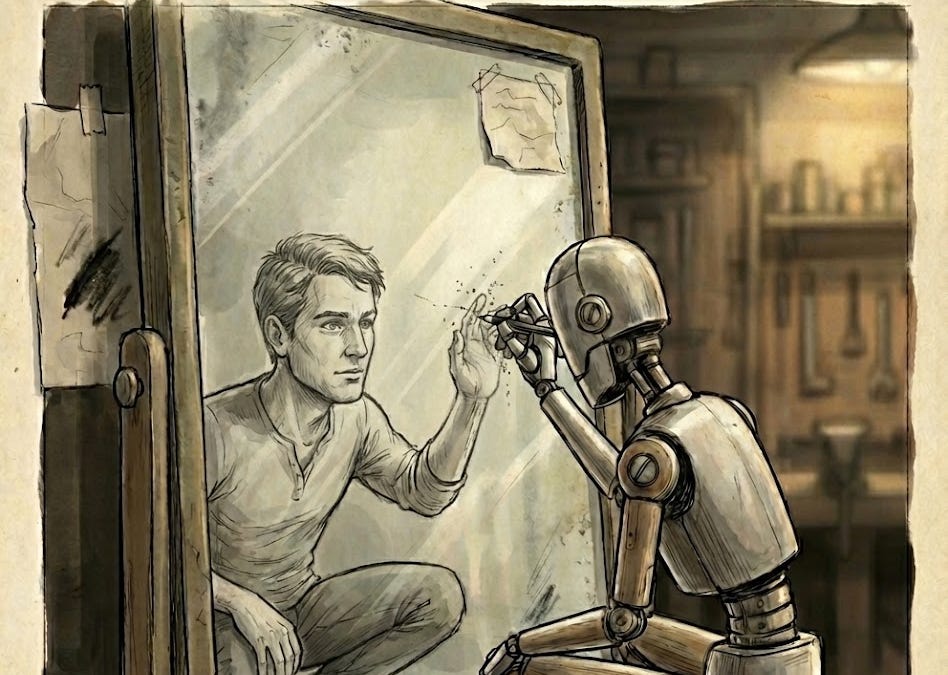
AI has read everything but experienced nothing. It never felt cold, had an awkward conversation, or made a mistake it regretted. That shows in the writing: confident, balanced, long… and hollow. Detecting it isn’t about spotting specific words — it’s about noticing the absence of the human.
More information at the link 👇