TL;DR#
Digital Twins are transforming the energy industry, but successful implementation requires a clear roadmap, quick wins, committed sponsors, and avoiding perfectionism. The key is to start with available data, break the problem into mini-digital twins, and demonstrate value before scaling. 🎯
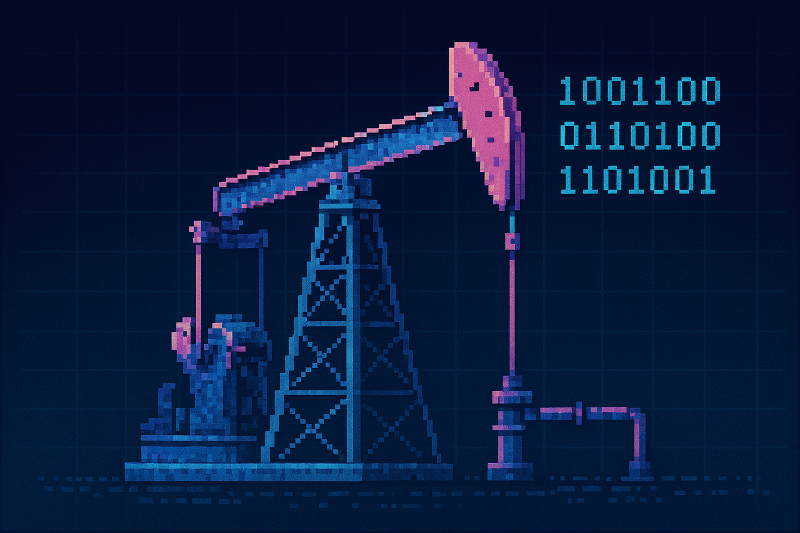
🏭 What is a Digital Twin, really?#
A Digital Twin is:
“A virtual representation of reality that should reflect the real physical asset. It is a virtual model that enables better and faster decisions by replicating reality through integrated engineering models, continuously updated with real conditions.”
This captures the essence: it’s not just a pretty 3D model; it’s an operational tool that integrates live data with predictive models.
🗺️ The Importance of a Clear Roadmap#
⏱️ The Complexity of the Challenge#
“It took years to build the facilities… It can be equally complex (maybe years) to build a DT.”
Therefore, emphasis should be on:
- ✅ Getting organized from the start
- 🎯 Prioritizing what to replicate first
- 🏆 Achieving quick wins
- 🔄 Taking the opportunity to re-engineer processes and workflows
🚀 Use Cases#
Implementation spans multiple areas:
- 🛢️ Production and maintenance
- 📈 Flow models
- 📅 Planning and scheduling
- 🎨 3D visualization
- 🔔 Reservoir analytics for early alerts
Start from the core business: whatever directly generates value.
💡 Key Lessons for Leaders#
✨ Tips for Success#
- 🎁 Quick Wins: Demonstrate value fast
- 🚀 Implement with imperfect data: Don’t wait for “perfect” data
- 🎯 Don’t oversell: The DT is not a silver bullet
- 💰 Don’t charge the business until you’ve proven value
- ⚠️ Perfection is the enemy of the important
🔴 Common Mistakes to Avoid#
- 🤖 Over-focus on technology
- 📉 Lack of clear business justification
- 💾 Absence of enterprise-grade data quality
- 👥 Weak sponsorship
- 🔄 No change management processes
🤝 The Human Factor: Change Management#
🎪 The Importance of Sponsorship#
“Sponsorship is key.”
Having all data owners and stakeholders on board is essential. A great analogy: “Everyone wants to look good in the photo… when photos are used to make decisions (like budget allocation).”
🎓 Training and Upskilling#
Crucial training points:
- 📚 Different training levels per role
- 😫 Avoid overwhelming users with too much information
- ⏰ Don’t train before the solution is operational
Avoid “change fatigue” and maintain credibility.
🧩 Implementation Strategy: Innovate at Scale#
📋 The Modular Approach#
To scale innovation successfully:
- 🐾 Step by step — don’t try to do everything at once
- 🎯 Small objectives — achievable and measurable goals
- ✅ Proven technology — don’t experiment with critical systems
- 📊 Use available data = better data later — don’t wait for perfection
- 🧩 Segment the problem — create mini-Digital Twins
- 💎 Ensure value for all data providers
This “divide and conquer” philosophy allows you to show incremental ROI while building capability.
🌐 Standards and Interoperability#
🔗 Breaking Down Silos#
A common language and standards are critical to:
- 🤝 Foster collaboration
- 🔄 Achieve interoperability
- 🚧 Break organizational silos
Initiatives like iTwin.js are useful, but pragmatically: “The best is the one that’s closest/easiest… and iterate.”
🔮 The Future: Modular Ecosystems#
🌟 Modular and Open Source Technologies#
The future of Digital Twins lies in:
- 🏗️ Modular technologies that integrate easily
- 📂 Initiatives like OSDU (Open Subsurface Data Universe) that:
- ⬇️ Lower barriers to entry
- 💾 Reduce data management costs
- ⚡ Shorten time-to-market
- 🚀 Stimulate innovation
⚙️ Integrating New Systems#
A key principle: “New systems must meet the DT’s technical requirements.”
This ensures future investments align with the established digital architecture.
🎯 Conclusions#
Experience shows that successful Digital Twin implementations require:
- 🧠 Strategic vision with a clear roadmap
- 👣 A pragmatic incremental implementation approach
- 👥 Change management with committed sponsors
- 📊 Obsession with proving value before scaling
- 🔓 Openness to standards and collaborative ecosystems
In a complex industry like energy, the message is clear: start with what you have, prove value quickly, and iterate constantly.
Perfection is the enemy. Pragmatic execution is the path. 🚀
🤔 Quick plain-English explanation#
Imagine you have a virtual replica of an industrial plant on your computer. This replica receives real-time information from sensors on the physical plant: temperature, pressure, flows, etc.
A Digital Twin is exactly that: a virtual model that reflects what is happening in the real world, enabling you to:
- 📊 See what’s happening now
- 🔮 Predict what will happen
- 🧪 Test changes without risk (what happens if I increase pressure?)
- ⚡ Make faster and better decisions
It’s like having a flight simulator for your plant.